
Enter the royal landscape
Explore tombs created for eternity beneath the Theban Hills.
Luxor Collection
The Perfect Introduction to Ancient Thebes
Explore the royal tombs, monumental temples, and living landscapes of ancient Thebes with an expert Egyptologist who brings their stories into focus.
Full Day · Luxor East & West Banks · Private Journey
A Perfect First Encounter
Before Luxor became Luxor, it was Thebes—the ceremonial and spiritual heart of ancient Egypt.
Across both banks of the Nile, kings built temples for the gods, prepared extraordinary tombs for eternity, and shaped a landscape that still carries the memory of one of history’s greatest civilizations.
Thebes Essential is designed as a thoughtful first encounter with this remarkable city. It brings together the royal tombs of the West Bank and the monumental temple complexes of the East Bank, but it does so at a pace that allows the story to unfold.
With an expert Egyptologist beside you, the experience becomes more than a sequence of famous sites. Architecture, ritual, kingship, daily life, and belief begin to connect—helping you understand not only what you are seeing, but why Thebes mattered.
Why This Journey
Explore tombs created for eternity beneath the Theban Hills.
Discover how one of Egypt’s most remarkable rulers shaped her identity, authority, and legacy.
See the temple as a record of belief, political power, ritual, and architectural ambition.
Understand how Karnak, Luxor Temple, the Nile, and the Opet Festival formed one sacred landscape.
Allow room for observation, photography, questions, and conversation.
Recognise the relationship between ancient monuments, the Nile, cultivated land, and contemporary life.
Your Day at a Glance
The Journey
The West Bank
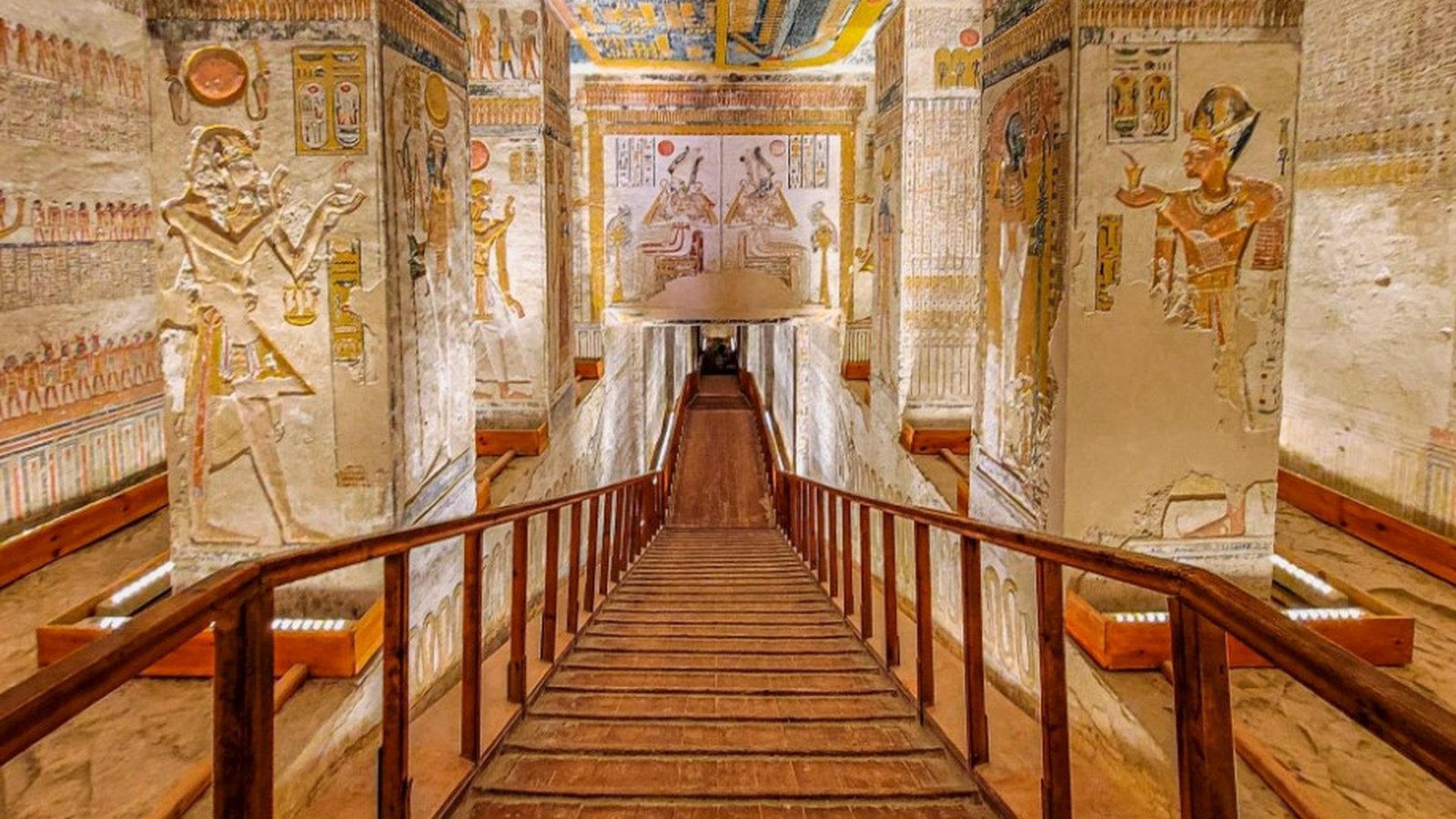
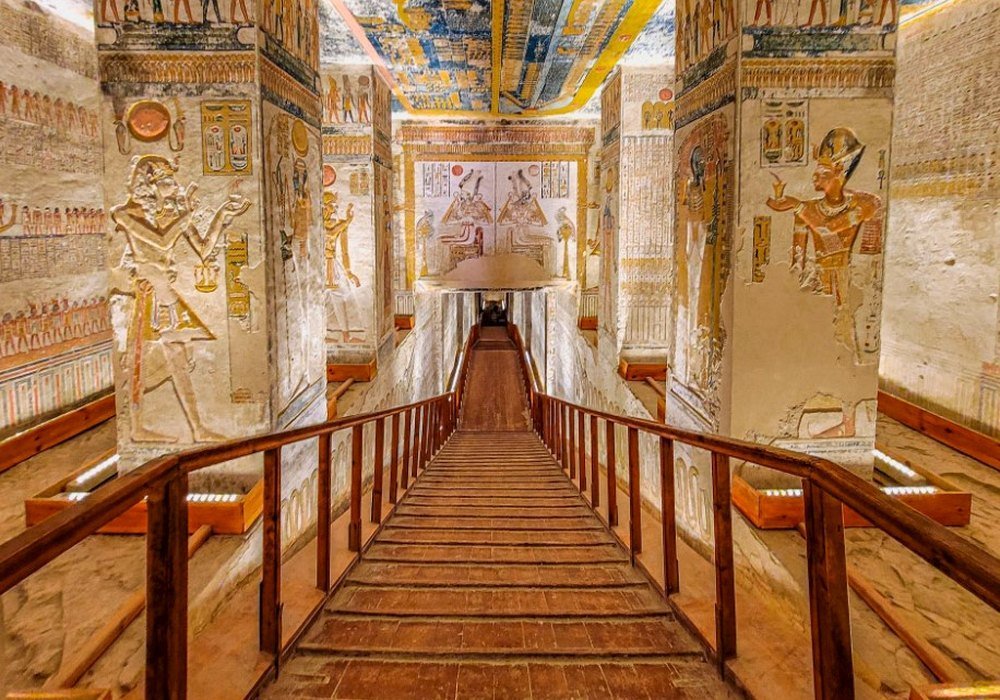
Crossing to Luxor’s West Bank, the landscape changes. Cultivation gives way to pale desert cliffs, and the Theban Hills rise above a hidden royal cemetery. Here, generations of kings prepared for eternity in tombs cut deep into the rock.
Your Egyptologist will help you read the tombs as more than decorated chambers—revealing their sacred texts, symbolic journeys, astronomical ceilings, protective deities, and changing artistic traditions.
Deir el-Bahari
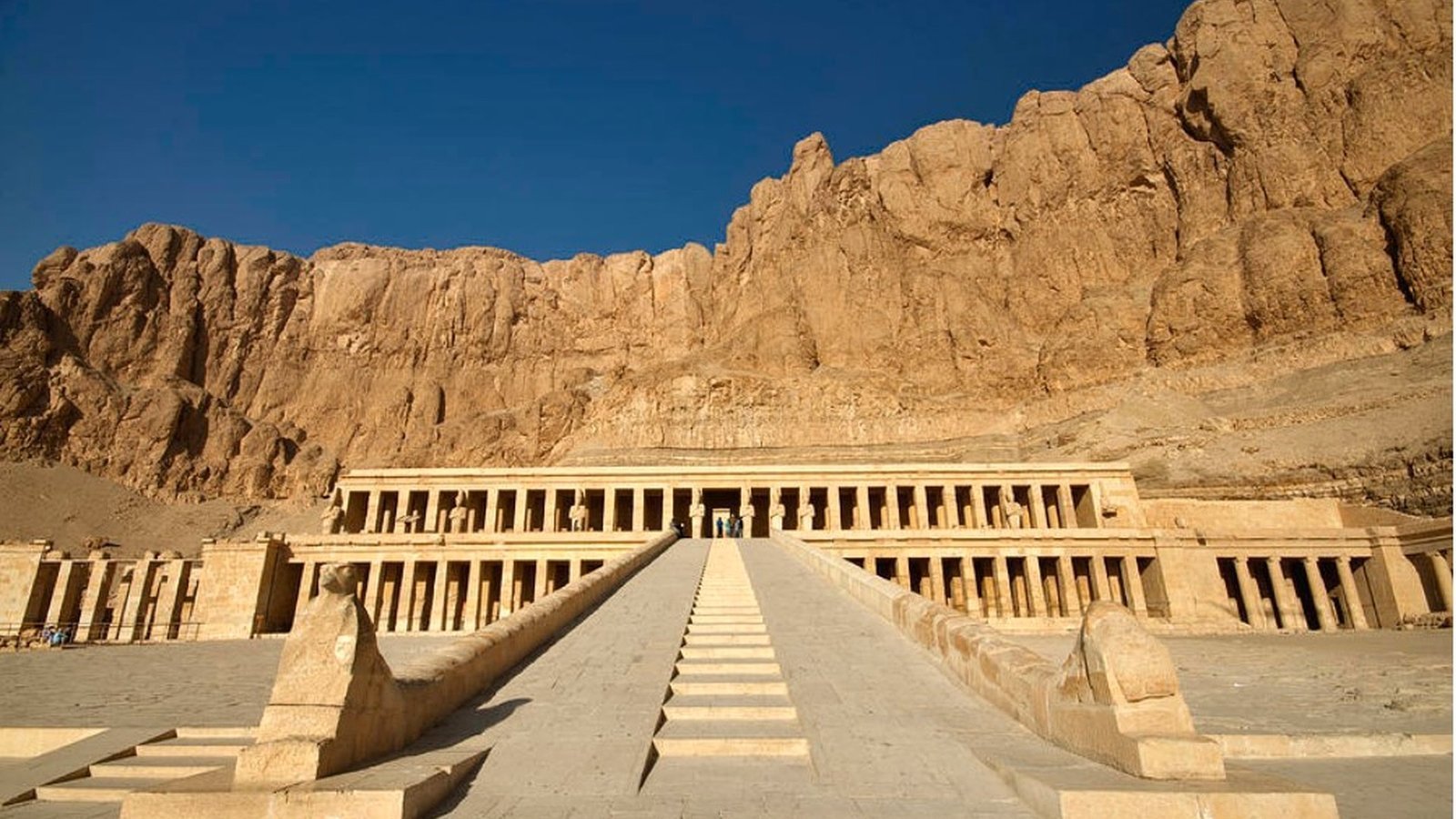
Set dramatically against the limestone cliffs, the mortuary temple of Hatshepsut is one of Egypt’s most distinctive monuments. Its terraces, colonnades, and carefully constructed imagery present the story of a ruler who understood both political power and visual symbolism.
Explore her divine-birth narrative, her expedition to Punt, and the choices she made to legitimise a reign unlike any other.
The Theban Plain
The Colossi of Memnon are all that visibly remain of the vast mortuary temple of Amenhotep III. Standing above the fields, these monumental figures once guarded one of the largest temple complexes in Egypt.
This concise stop connects the surviving statues with the wider sacred geography of the West Bank.
A Moment to Pause
Pause for lunch at a trusted local restaurant, selected according to the day’s route and your preferences. It is an opportunity to slow the pace, discuss what you have seen, and experience a more contemporary side of Luxor.
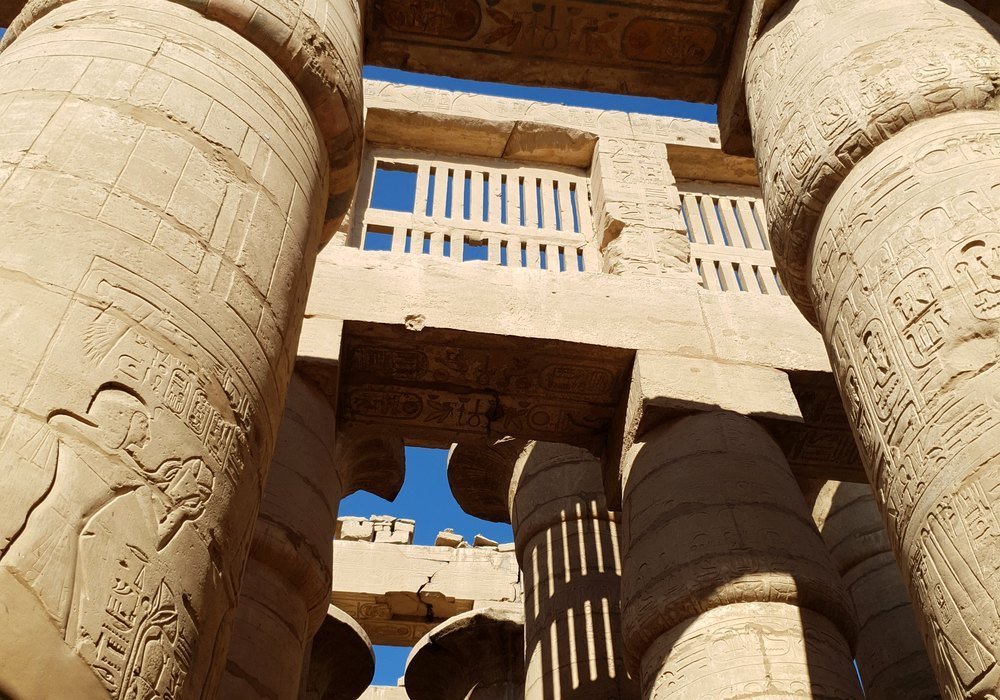
Karnak
Karnak is not a single monument. It is a vast architectural record shaped by generations of kings, priests, craftsmen, and changing religious ideas.
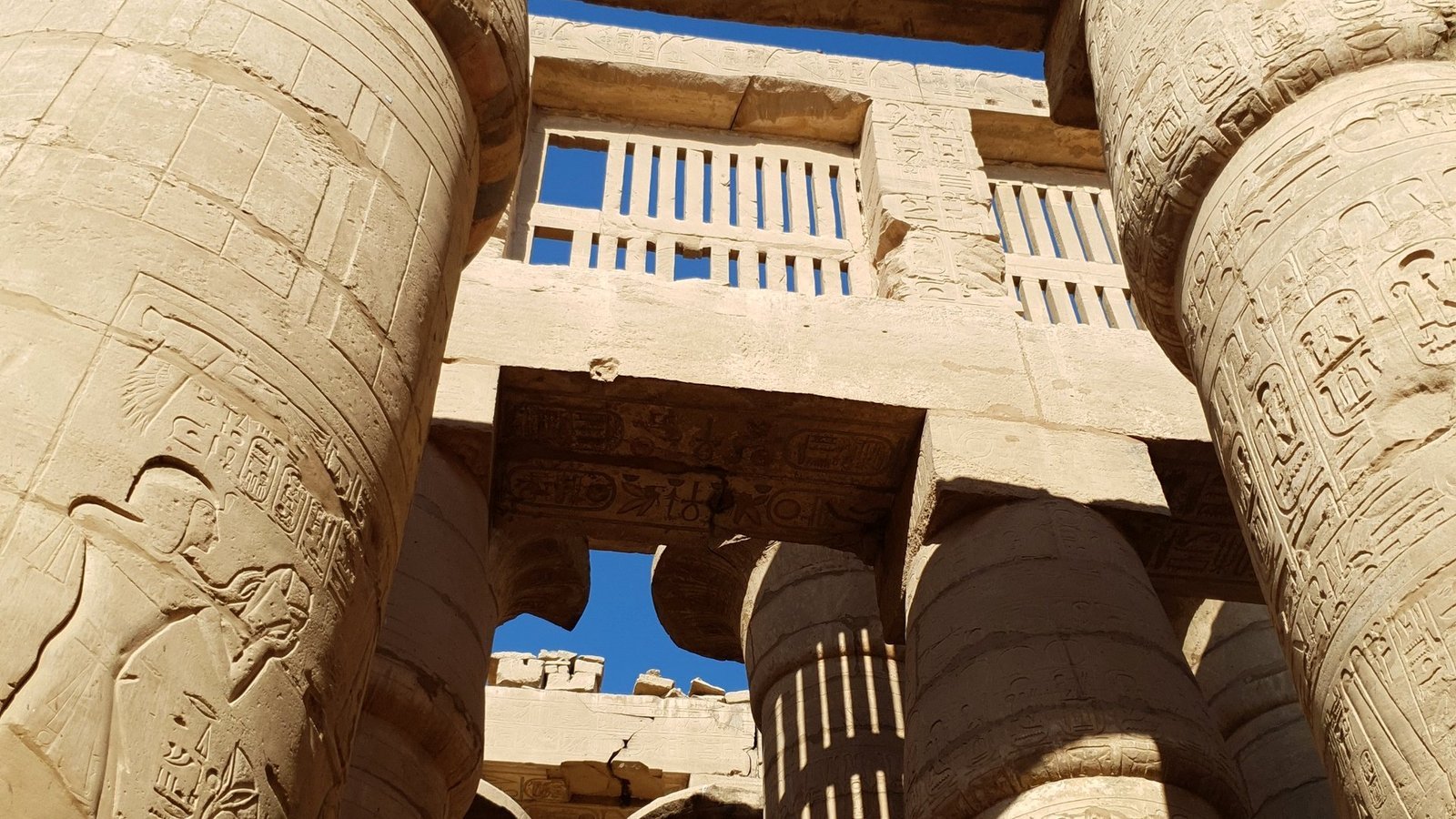
Walk through monumental gateways, open courts, sacred spaces, and the Hypostyle Hall while your Egyptologist reveals how procession, scale, light, and inscription transformed architecture into ritual experience.
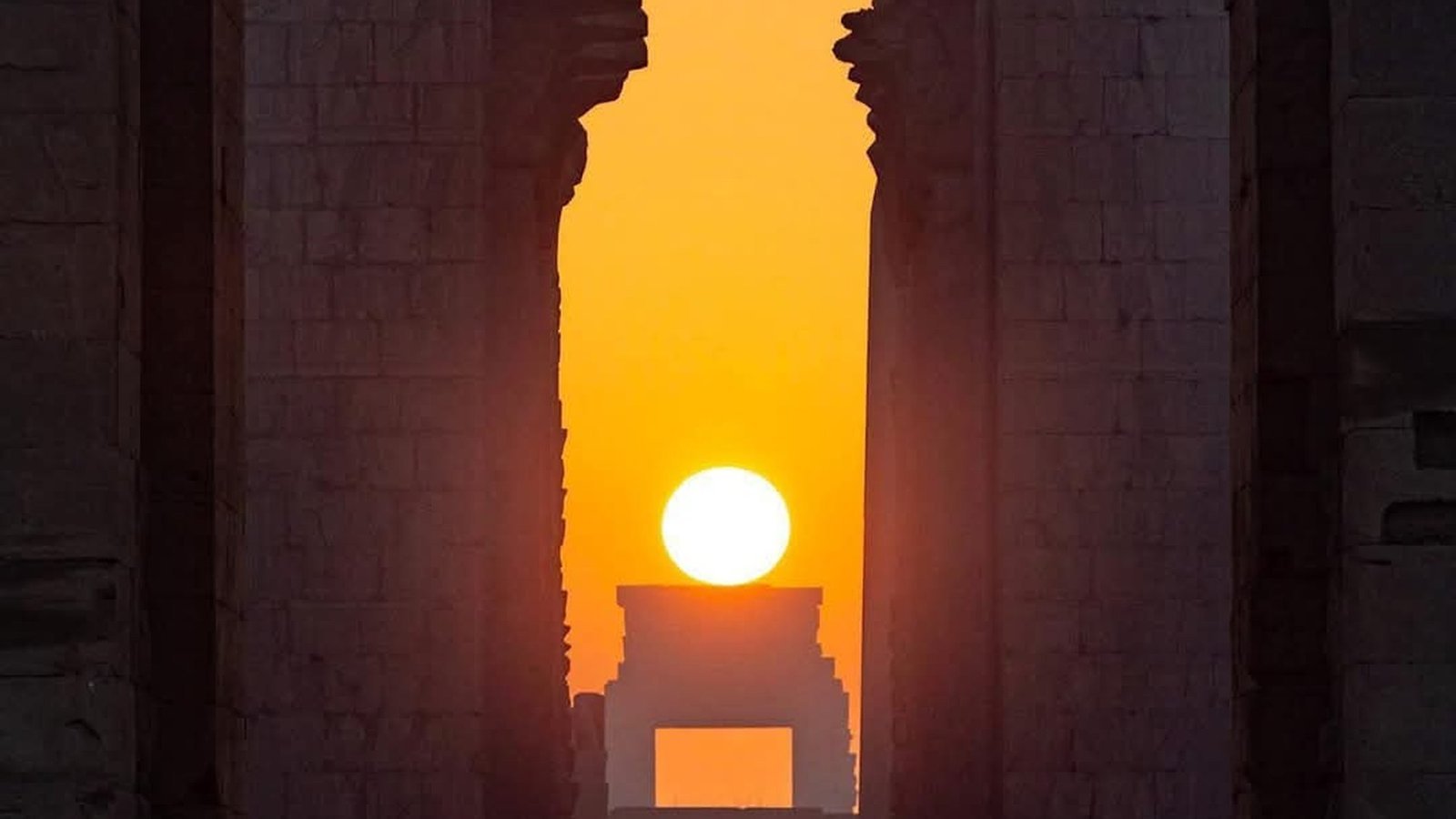
Luxor Temple
Luxor Temple stood at the centre of one of ancient Egypt’s most important festivals. During the Opet Festival, sacred images travelled from Karnak along a ceremonial route connecting temple, king, city, and divine renewal.
As the day concludes, Luxor Temple offers a final perspective on Thebes—not simply as a collection of monuments, but as one connected ceremonial landscape.
The Monuments in Context
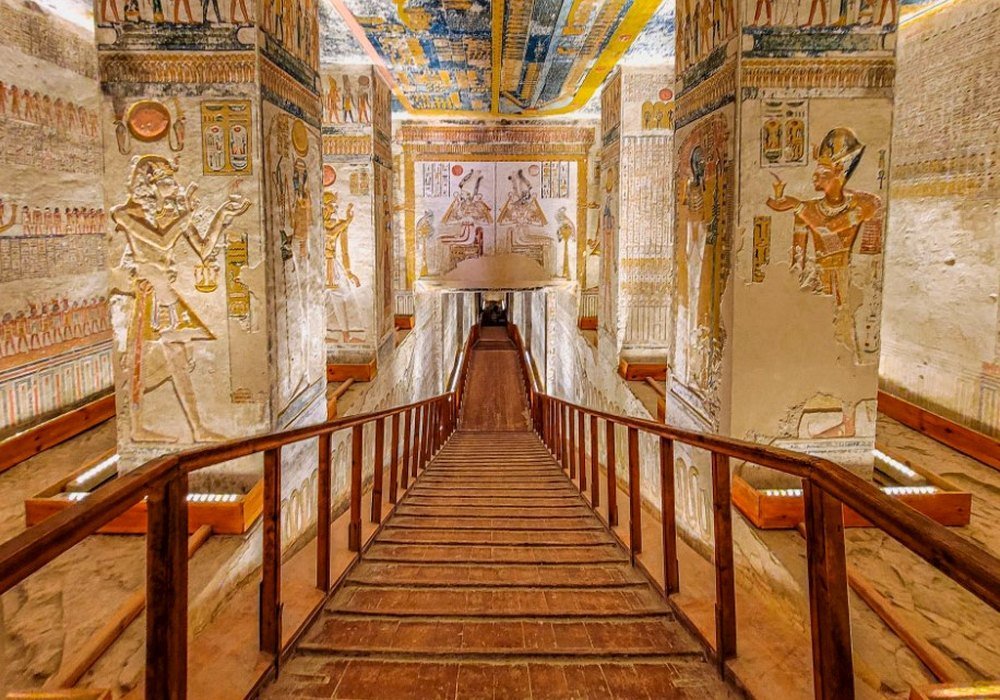
The Valley of the Kings was selected as a protected royal cemetery during the New Kingdom. Its tombs were designed as sacred passages through which the king could be renewed, protected, and united with the solar cycle.
Look beyond colour alone: notice the changing plans, astronomical ceilings, texts, and how each chamber prepares the king for the next stage of his journey.
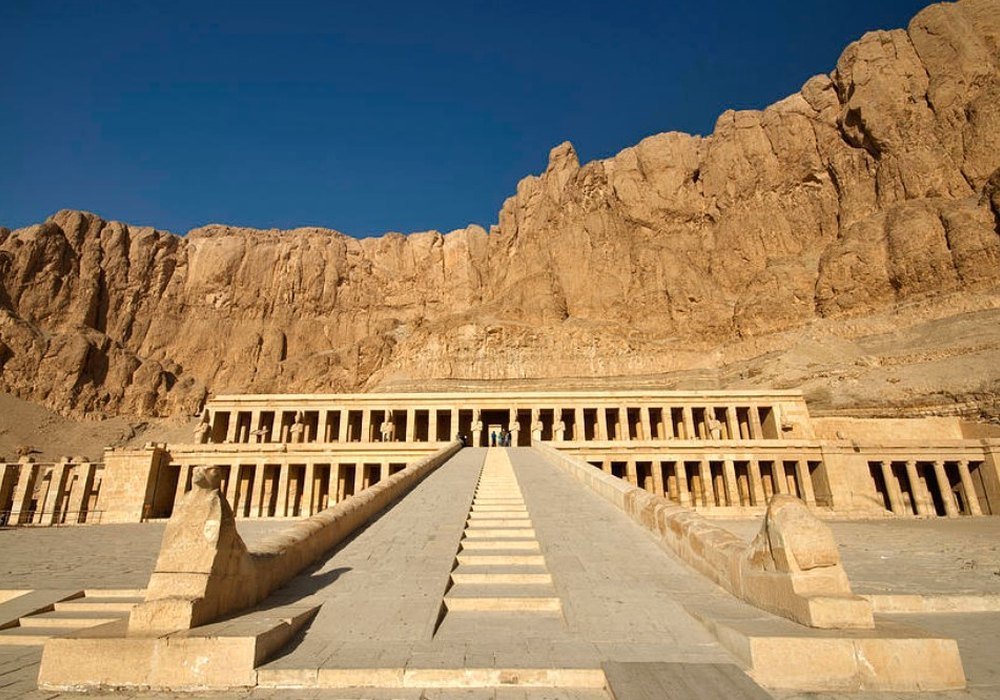
Hatshepsut’s temple is both architecture and political statement. Its terraces align with the cliffs while its reliefs explain divine legitimacy, trade, ritual, and royal identity.
These colossal figures once marked the entrance to Amenhotep III’s immense mortuary complex. Their survival helps reconstruct the scale and sacred geography of the West Bank.
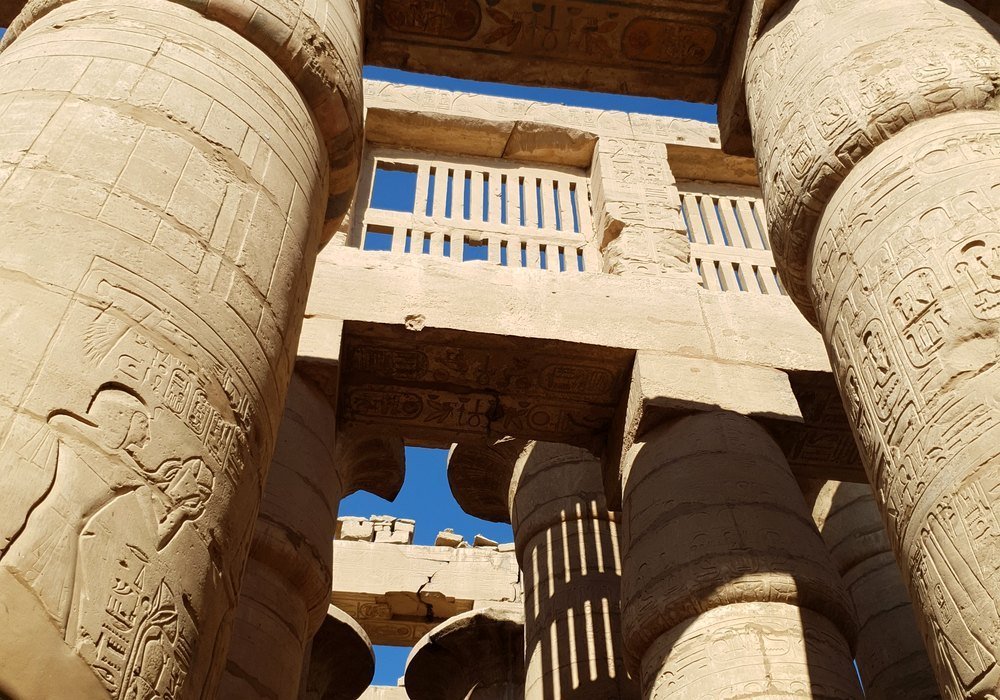
Karnak grew over many centuries. Its courts, pylons, obelisks, sanctuaries, and columned halls reveal how architecture could express religious procession, royal authority, and the presence of Amun.
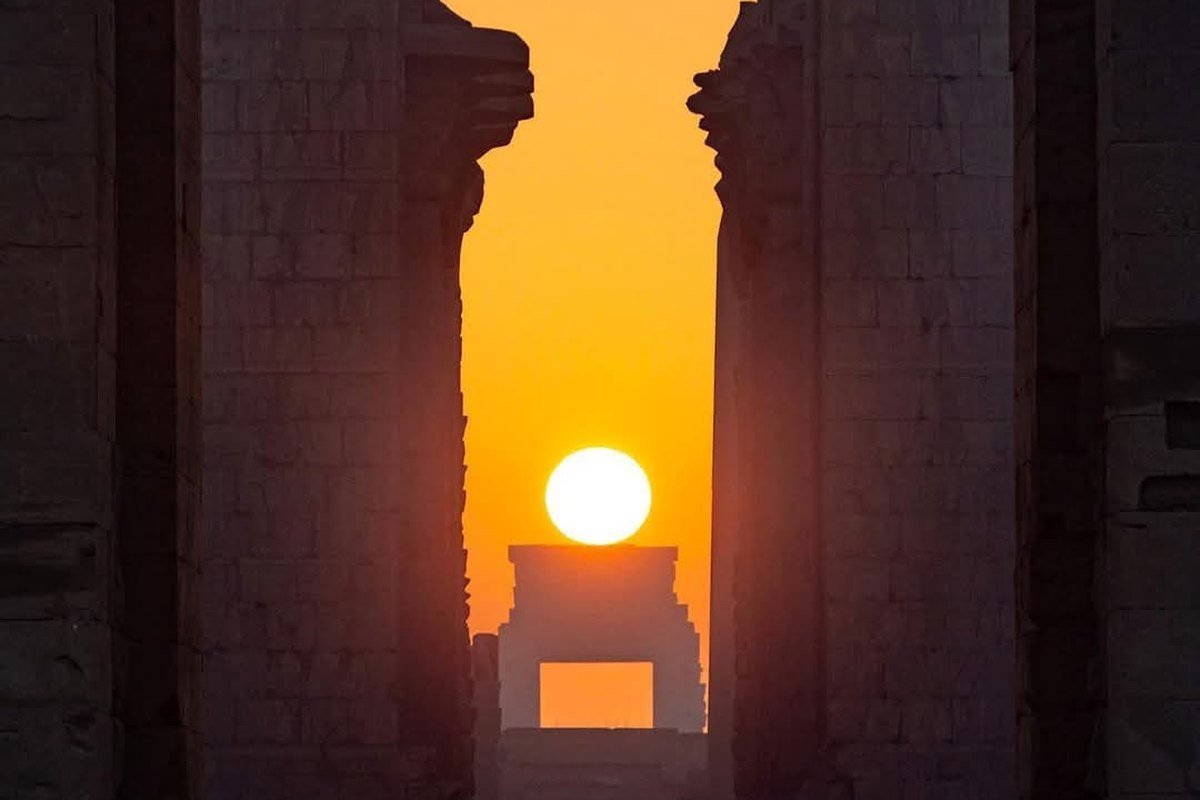
Luxor Temple is central to understanding the Opet Festival and the renewal of divine kingship. Its layers also reveal the long afterlife of monuments within a living city.
Egypt Through Egyptian Eyes
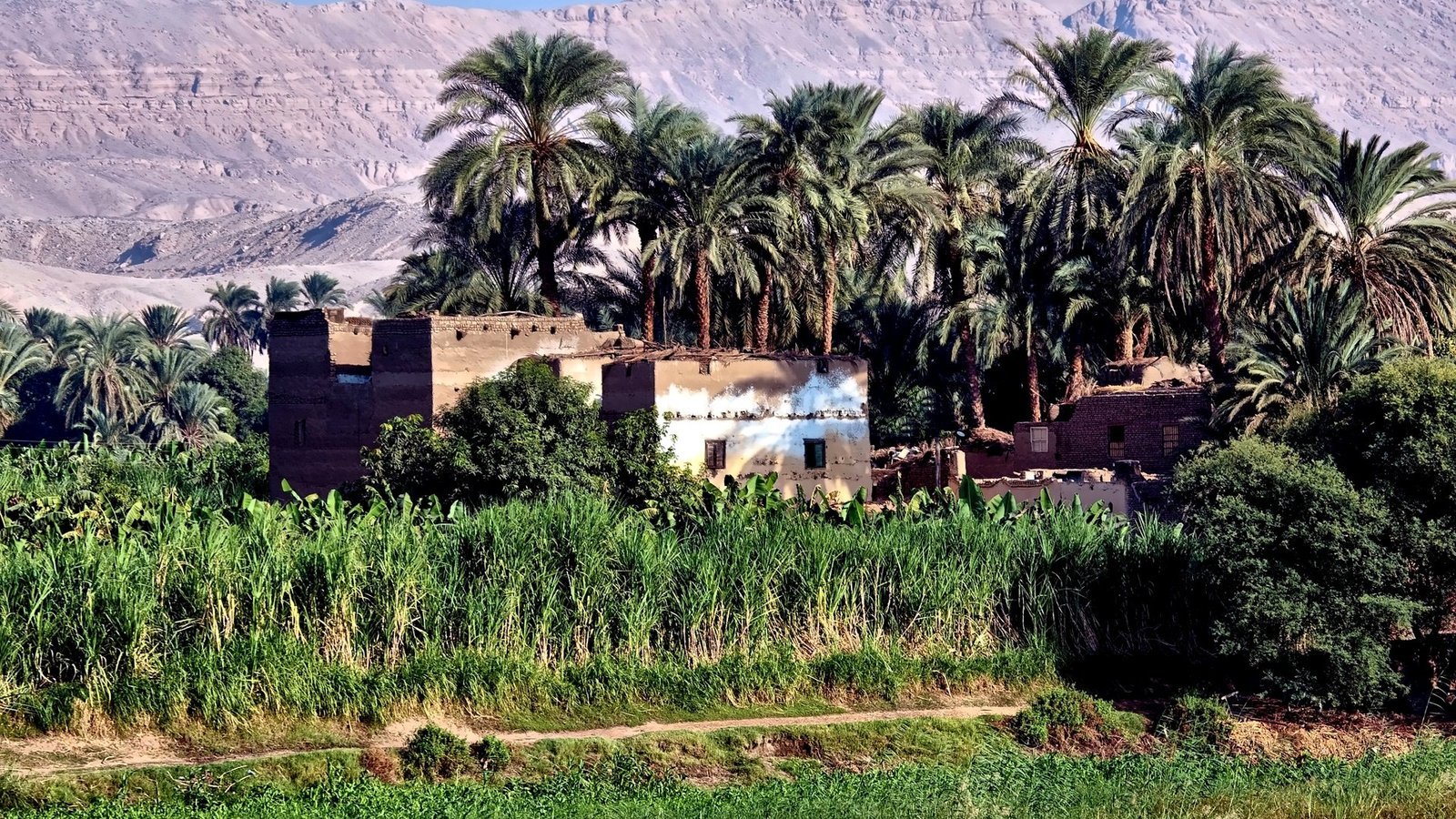
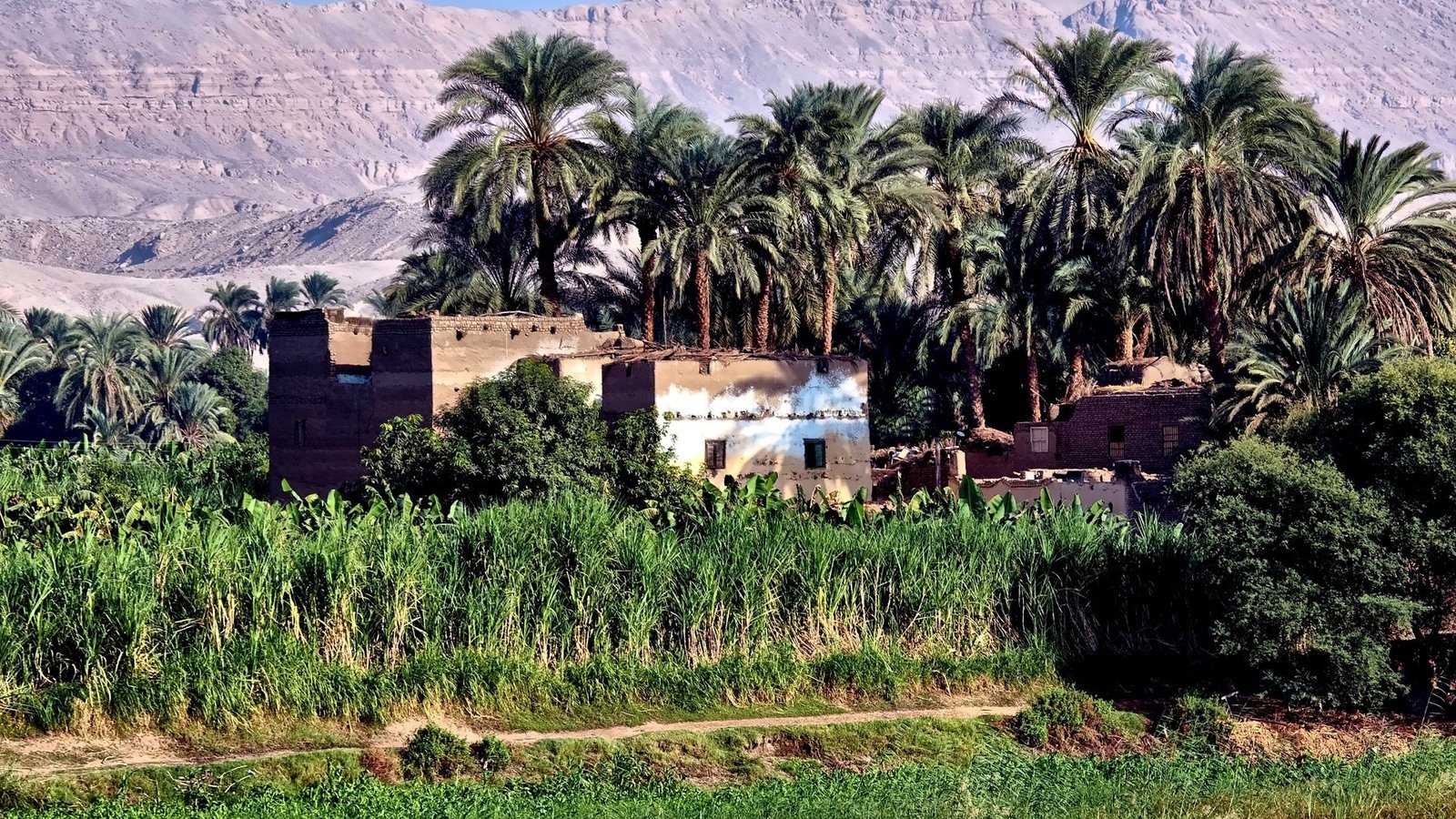
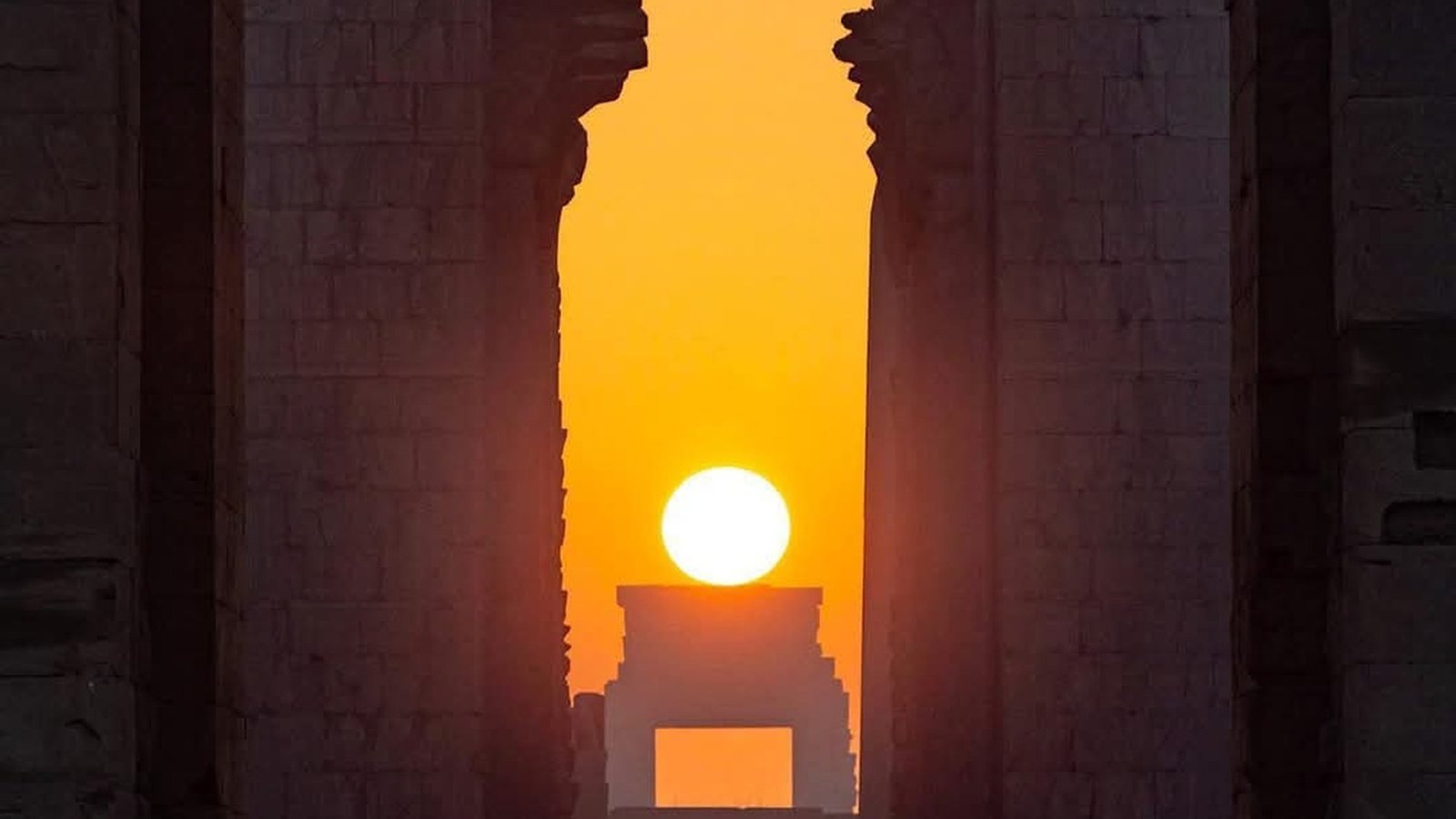
Before the first visitors enter the temples, Luxor is already awake. Boats move quietly across the river, farmers travel toward the fields, bread is prepared in village homes, and the West Bank slowly changes colour beneath the rising sun.
The monuments of Thebes do not stand apart from this living landscape. They remain surrounded by cultivated land, family life, river crossings, markets, workshops, and traditions shaped by the Nile.
To understand Luxor is to notice both worlds at once: the ancient city preserved in stone and the modern community living around it. This connection between history, landscape, and daily life is central to the way Nile Experience reveals Egypt.
Clear and Considered
Tailored, Without Losing Its Character
Thebes Essential is a balanced introduction to Luxor, but every private journey can be adapted around your interests, pace, arrival time, and wider Egypt itinerary while preserving its essential character.
Enhance Your Day
See river, fields, city, and Theban Hills as one connected landscape before the archaeological journey begins.
A focused collection that adds intimacy and precision to the monumental history encountered during the day.
A concise introduction to beliefs, materials, and practices connected with preservation and the afterlife.
Explore the working world behind the discovery of Tutankhamun and the history of modern archaeology in Luxor.
 Approx. 1–2 hours
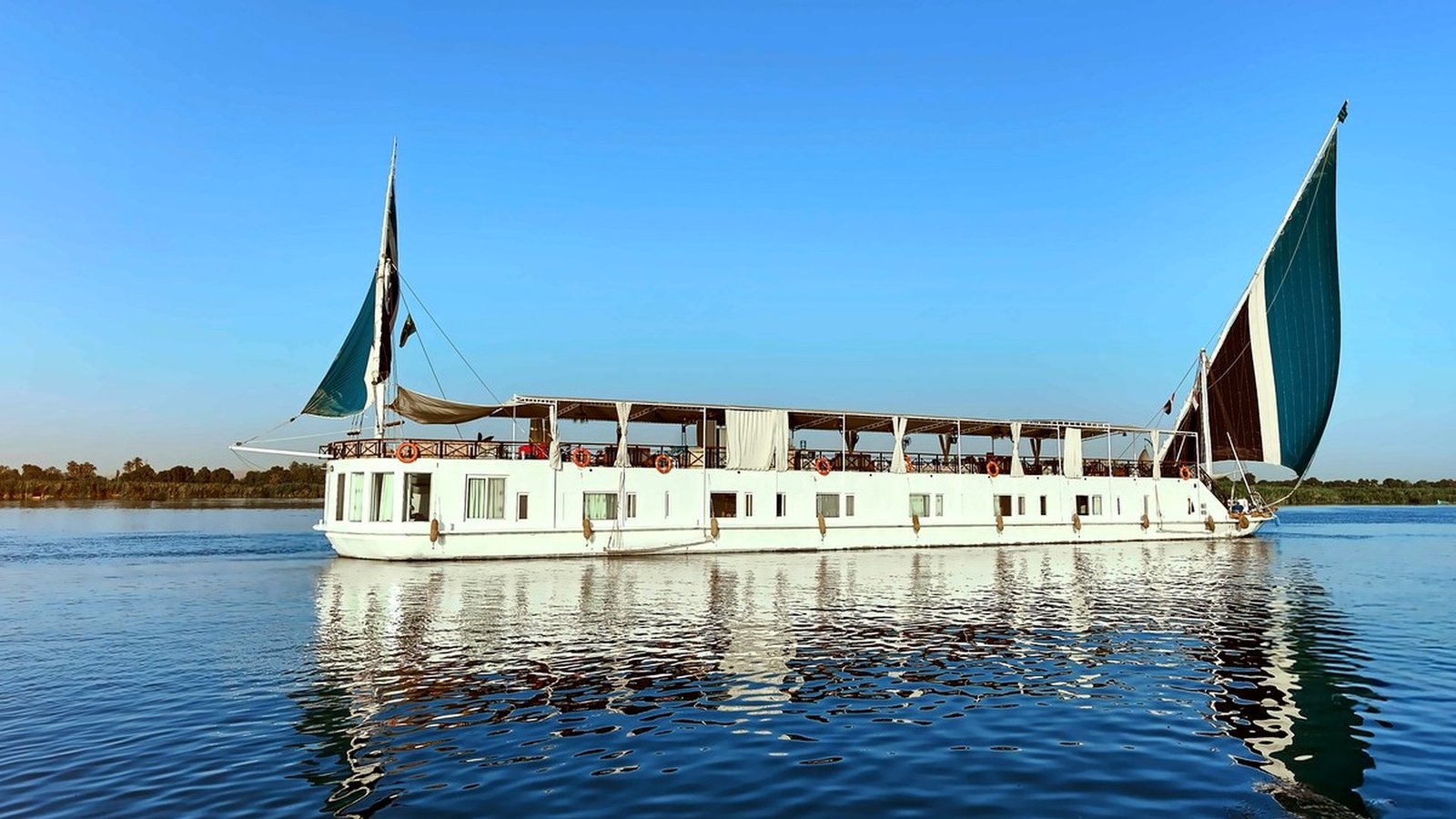
Conclude the day on the water, allowing the changing light and river landscape to provide a quieter final chapter.
Adjust the pace and sequence to make better use of light, viewpoints, and quieter moments.
Egyptologist-Led
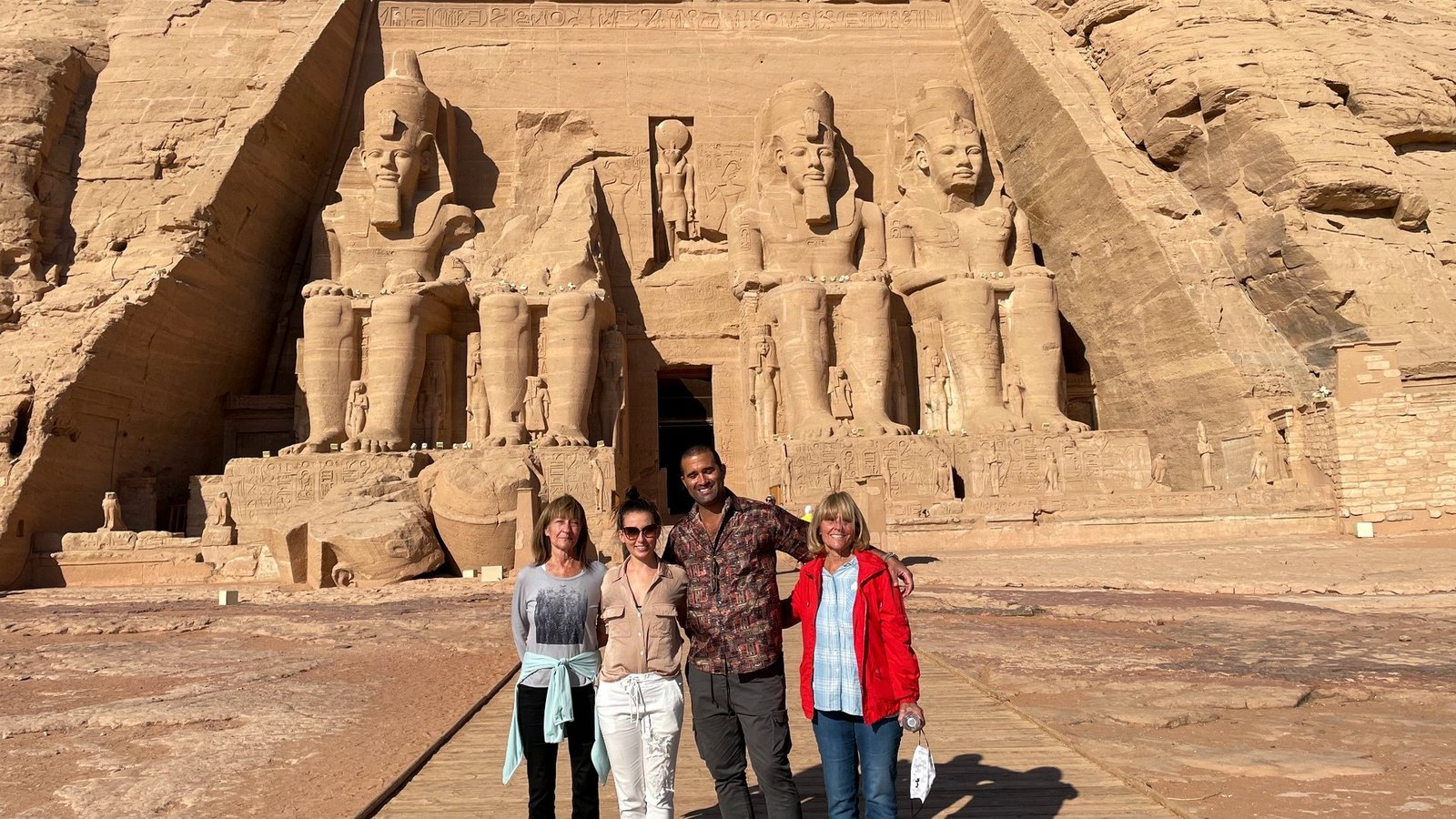
A Nile Experience Egyptologist does more than identify monuments or recite dates.
Through context, storytelling, questions, and careful observation, your guide connects architecture, belief, kingship, daily life, and landscape into one understandable story.
The experience remains personal and conversational, giving you space to explore the subjects that interest you most.
Before You Go
Pickup can be arranged from Luxor hotels or Nile cruises. The final start time and duration are confirmed around your accommodation, season, and selected additions.
The day includes uneven archaeological terrain, steps, tomb entrances, and periods in direct sun. The private format allows the pace to be adapted where possible.
Wear breathable modest clothing, supportive walking shoes, sun protection, and a hat. Seasonal guidance is provided before travel.
Rules vary by site and may change. Your Egyptologist will explain current restrictions and any separately ticketed photography options.
Many sites contain steps and uneven surfaces. Share mobility needs and children’s ages before confirmation so the route and pace can be adjusted.
Specially ticketed tombs, including Seti I when available, are not assumed within the standard price and should be requested in advance.
Dietary preferences should be shared before travel. Restaurant selection is adapted to the route and availability.
Your personalised proposal will confirm payment milestones and the applicable cancellation conditions before any commitment is requested.
Questions Travellers Often Ask
Yes. It is designed as a balanced introduction to Luxor’s East and West Banks, combining essential monuments with enough context to understand how they connect.
Yes. The vehicle, Egyptologist, pace, and planning are arranged for your own party.
Yes. Entrances, museums, pace, start time, and optional experiences can be adjusted while preserving the journey’s core identity.
They can be included in the confirmed quotation. The proposal will state exactly which standard entrances and premium supplements are covered.
Tomb access rotates and restoration schedules can change. Your Egyptologist recommends the strongest available combination on the day.
Yes, subject to opening and ticket availability. Premium tombs should be requested before confirmation.
Yes. It requires an early start and is weather-dependent, so the rest of the day is adapted accordingly.
Yes. Extending across two days creates more time for museums, additional tombs, local life, or a slower pace.
Yes. Pickup and timing are coordinated with the vessel’s confirmed schedule.
Most common requirements can be supported when shared in advance.
Continue Exploring
 Luxor Collection
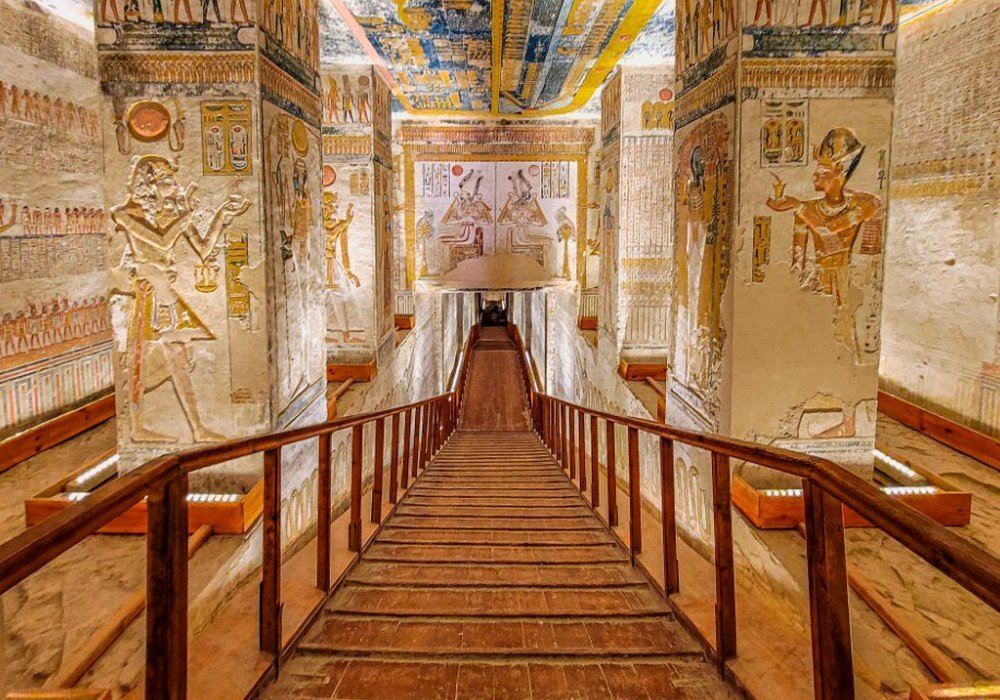
A deeper journey through royal cemeteries and the landscape of the afterlife.
Full Day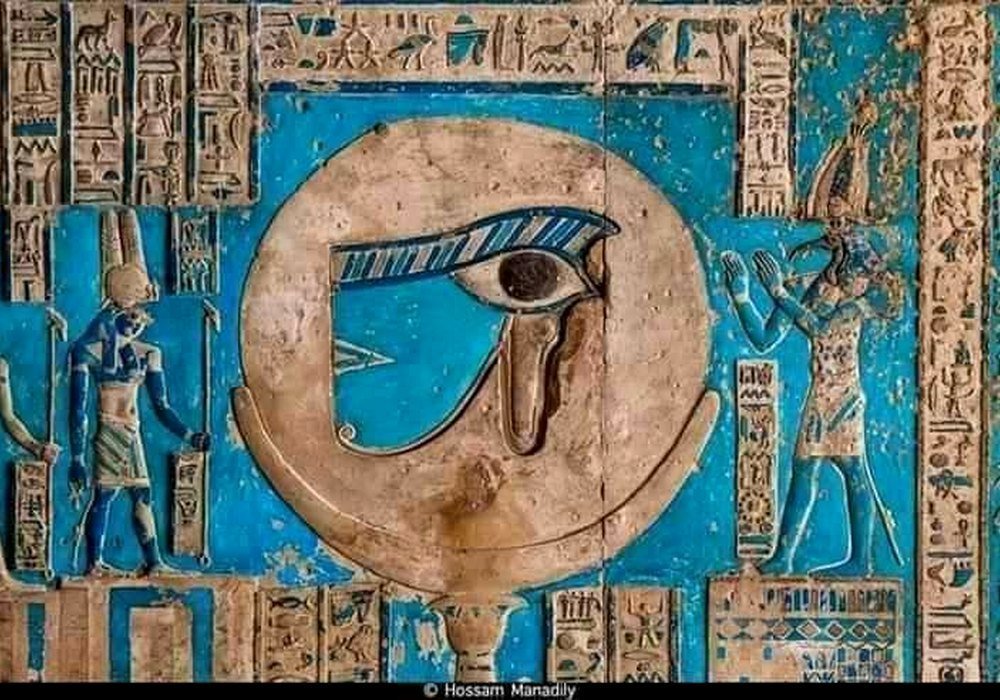 Luxor Collection
Symbolism, astronomy, ritual, and one of Egypt’s best-preserved temple interiors.
Half or Full Day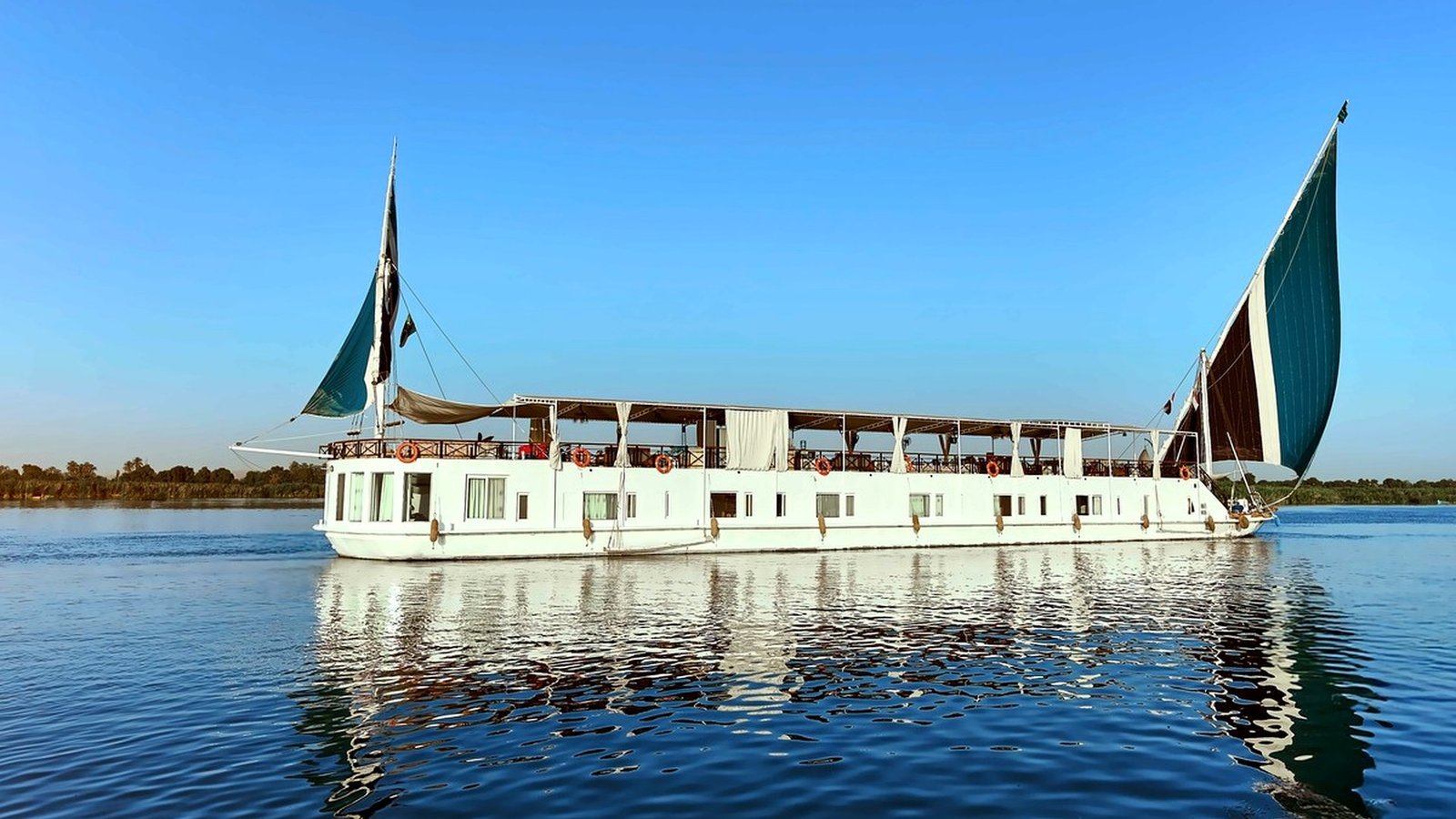 Luxor Collection
A quieter perspective on the city through river, landscape, and changing light.
2–3 HoursNile Experience Concierge · AI
Our AI Concierge can help you compare Luxor experiences, understand the pace, explore optional additions, and begin shaping a journey around your interests. A real Egyptologist or team member is always available when you need personal assistance.
Begin with a Conversation
Whether this is your first day in Luxor or part of a wider journey through Egypt, we’ll shape the experience around your interests, timing, and preferred pace.
Thoughtful advice. No pressure. A personalised reply from our team.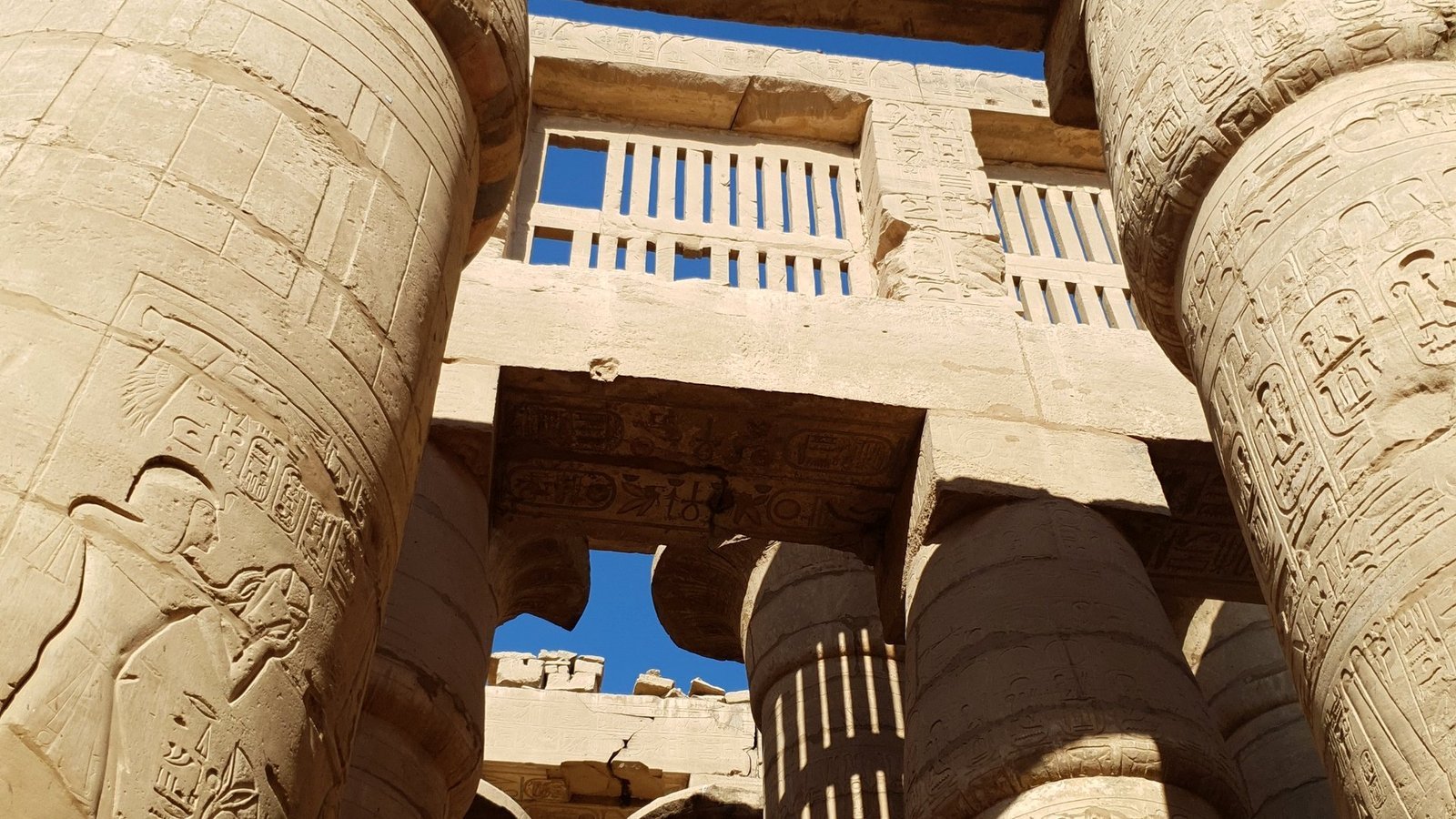
Every civilization leaves monuments.
Only a few leave stories that continue to inspire thousands of years later.
Thebes is one of them.